
Pallet Rack
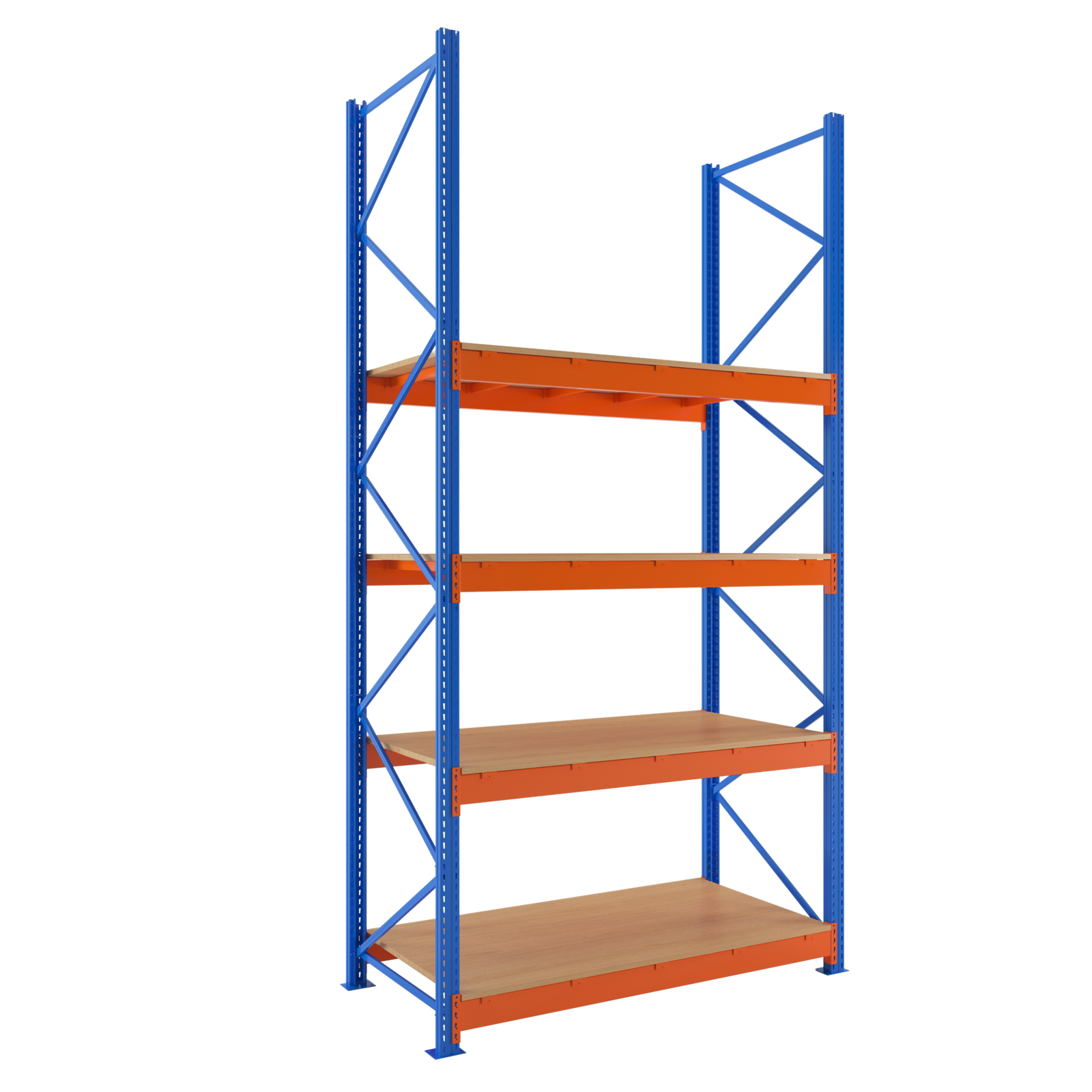
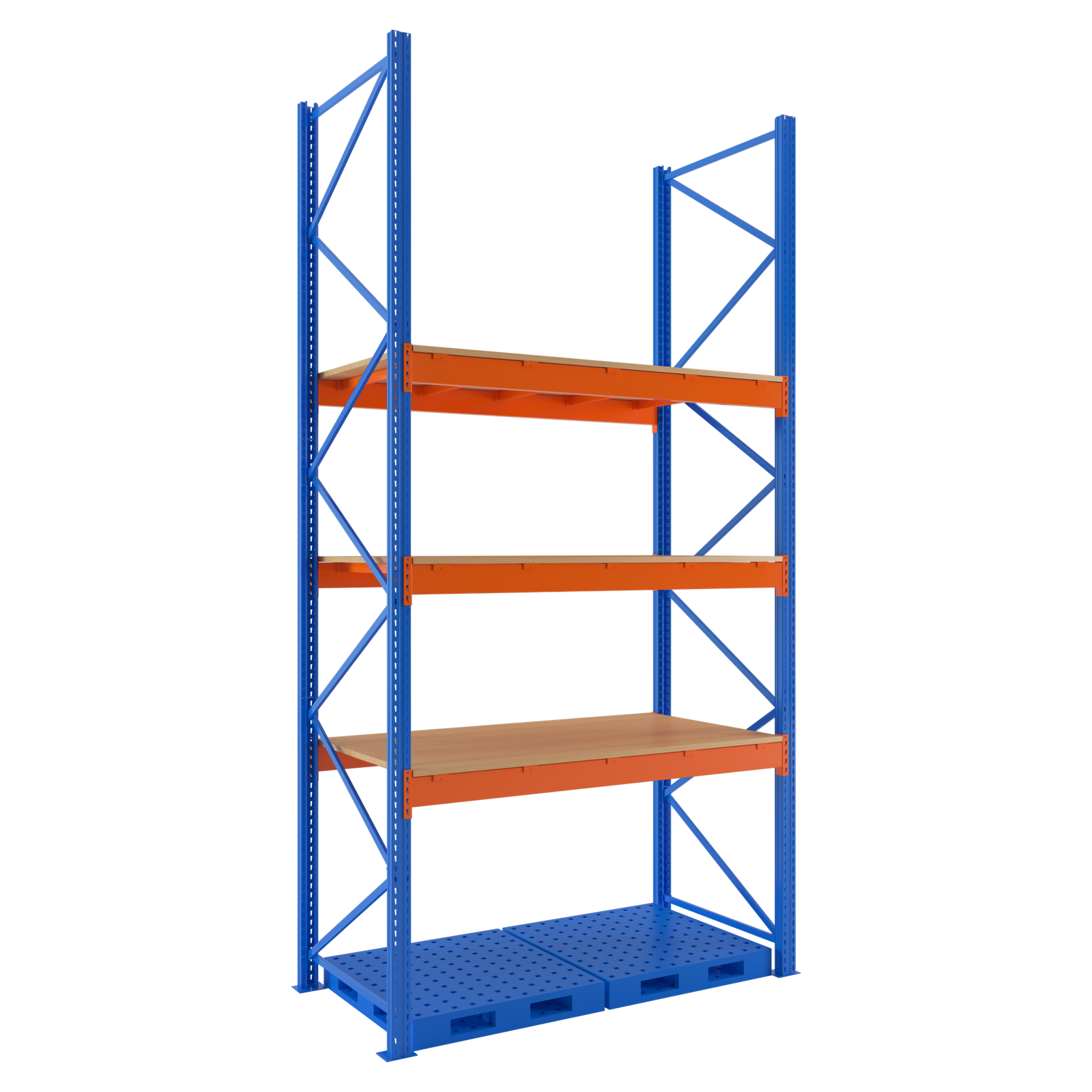
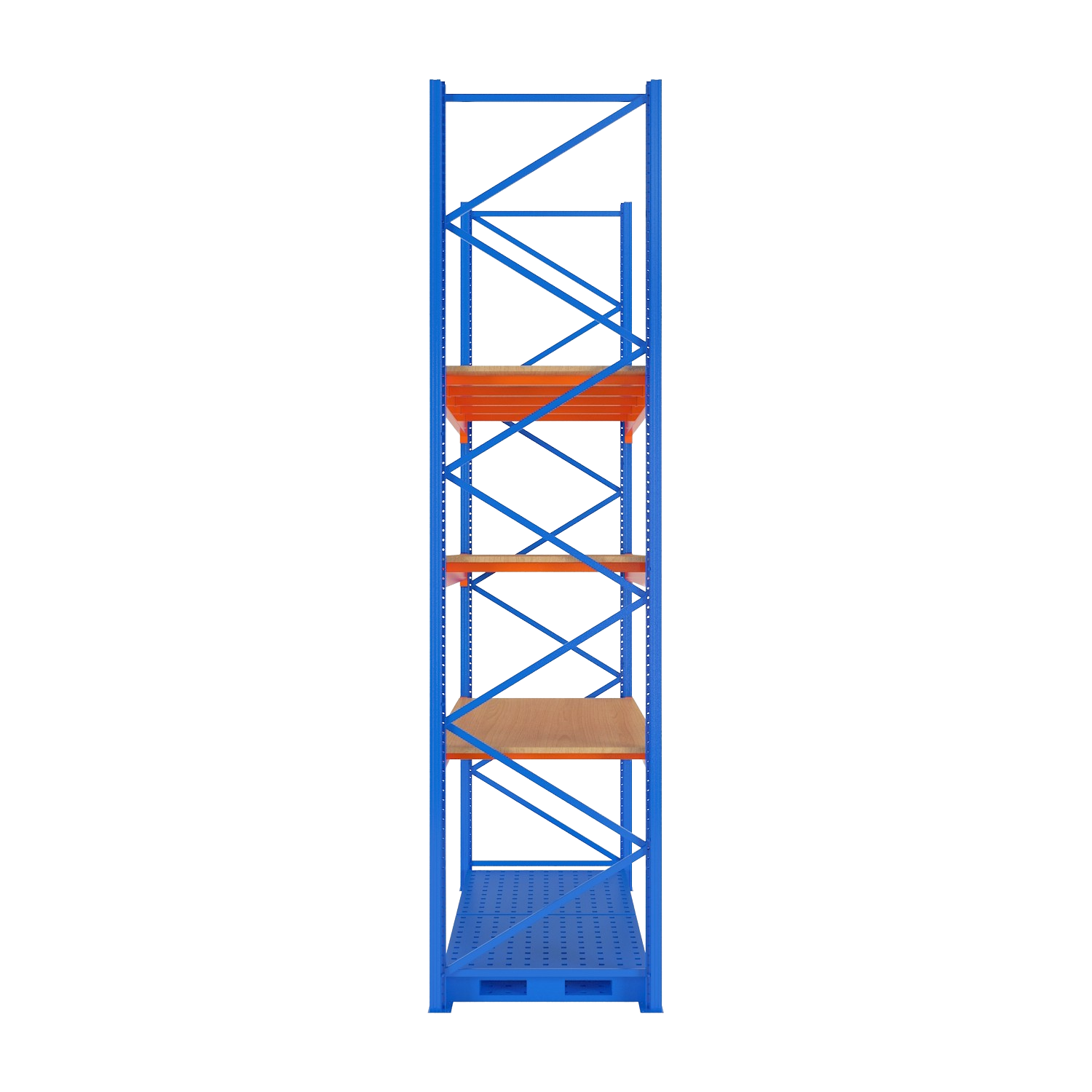
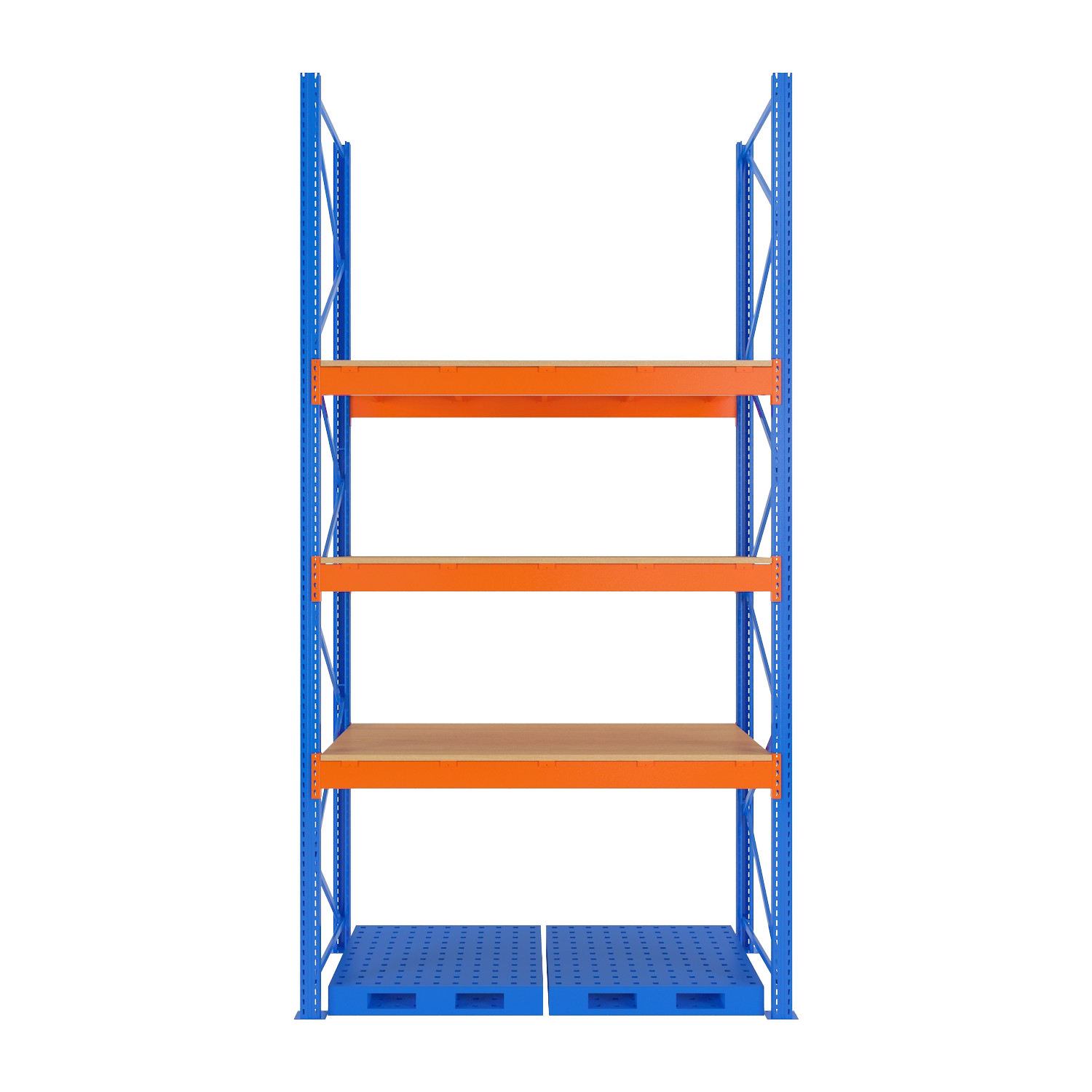
- High Load Capacity: Supports up to 3000kg per level for heavy palletized goods.
- Direct Access: 100% accessibility to every pallet for efficient inventory turnover.
- SGS & CE Certified: Engineered to meet international safety and structural standards.
Pallet Rack Dimension
*Note:Fully Customizable: Sizes, colors, and finishes can be tailored to your needs. Contact us for more styles and bespoke solutions!
| Item | Pallet Rack |
| Material | Q235B Cold-roll Steel |
| Length | 2600 / 2700 mm |
| Weight Capacity | 200-3000kg per sqm |
| Width(mm) | 900-1200 mm; |
| Height(mm) | 2000-6000 mm; |
| Thickness | 1.5, 1.8, 2.0, 2.5, 3.0mm; |
| Surface Treatment | Electrostatic Spray Surface; |
| Feature | Anti-rust, Corrosion protection; |
| Certification | SGS / ISO / CE; |
What are the primary applications for Pallet Racking?
High SKU Management: Selective pallet racking is the gold standard for operations managing a diverse range of inventory shapes and sizes. Its “100% accessibility” design allows operators to pick any pallet without moving others.
Rapid Order Fulfillment: This system facilitates the fastest loading and unloading cycles, making it ideal for high-turnover logistics hubs that require constant access to stock.
Operational Versatility: Whether you handle full pallets, partial loads, or mixed cases, our racking adapts to various industries and storage requirements.
Flexible Inventory Logic: LANTOO systems support both FIFO (First-In, First-Out) and LIFO (Last-In, First-Out) models, depending on your specific warehouse flow.
What is the typical load capacity of a Pallet Rack?
The load capacity is highly customizable. Generally, it ranges from 800 kg to 3,000 kg per level. The final specification depends on your pallet weight, the beam length, and the structural upright profile required for your warehouse dimensions.
How many pallets can be stored per bay?
The capacity per bay level depends on the racking configuration:
Selective Racking: Typically stores 2 to 3 pallets per beam level (side-by-side). For EU Standard pallets (800x1200mm), 3 pallets per level is common.
Double Deep Racking: By storing pallets back-to-back, you can house 4 to 6 pallets per bay level, significantly increasing storage density.
How does Pallet Racking improve warehouse inventory control?
Optimized Storage Density: Systems like Double Deep racking can increase your overall storage capacity by up to 40% without expanding your building’s footprint.
Streamlined Order Picking: By reducing the number of required aisles, our racking minimizes travel time for forklift operators, enhancing overall productivity and turnover rates.
Enhanced Tracking & Audits: A structured racking system organizes inventory in a compact, logical manner. This facilitates easier tracking, reduces the risk of stockouts, and simplifies inventory audits.
Superior Cost Efficiency: By maximizing vertical space and improving handling speed, LANTOO racking leads to lower operational costs and a higher return on investment (ROI).
What technical factors determine weight capacity?
High-Capacity Components: LANTOO Heavy Duty Racking utilizes precision-engineered Box Beams to support loads up to 3 tons (6,600 lbs) per level.
Safety Factors: Load capacity is determined by the thickness of the Q235B cold-rolled steel, the upright pitch, and the beam spacing.
Dynamic Loading: We calculate specific load ratings based on the beam length (e.g., 2.7m or 3m beams) to ensure structural stability under maximum weight.
What is the standard height of a Pallet Racking system?
Standard Range: Installations usually range from 2.4 meters (8 ft) to 9.1 meters (30 ft).
Common Configuration: Most warehouses operate efficiently with rack heights between 3.7 and 6.1 meters (12 to 20 ft) to balance storage density with safety and ease of access.